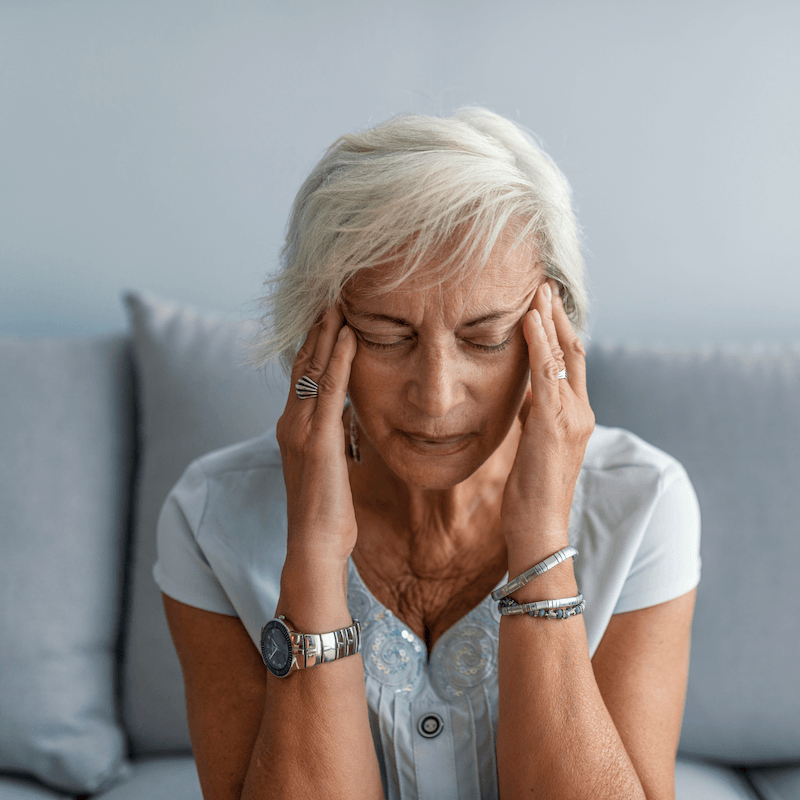
Not all migraine episodes involve throbbing head pain, as a vestibular migraine primarily compromises balance, motion sensitivity, and spatial stability. Our practice can evaluate recurring dizziness and determine whether vestibular migraine or another balance disorder may be responsible. To achieve successful migraine treatment, patients must understand their symptom patterns and report them accurately to their medical provider.
Vestibular vs. Classical Migraine: Key Differences
Typical migraine attacks and vestibular migraines share the same neurovascular pathology, but their primary presenting symptoms differ. The hallmark of a typical migraine is moderate to severe unilateral throbbing head pain that intensifies during ordinary physical activities. Associated features like nausea, pronounced light and sound sensitivity, and visual aura commonly accompany standard head pain.
A vestibular migraine primarily manifests as true vertigo, disequilibrium, balance dysfunction, and severe motion sensitivity. Although cephalalgia can develop, head pain is not a mandatory feature during every vestibular migraine attack. Episodes routinely cause a false perception of self-motion or room spinning, dynamic head-movement dizziness, and visual sensory overload.
Standard clinical diagnostic guidelines define vestibular episodes as lasting anywhere from five minutes up to 72 hours. Presentations frequently shift from episode to episode, which can obscure the underlying connection to migraine disease.
What Factors Cause Vestibular Migraine Episodes?
Medical science recognizes that no single underlying disorder functions as the sole cause of vestibular migraine. The condition appears to involve overlapping brain pathways that process migraine pain and vestibular information from the balance system. A confirmed personal or genetic history of migraines and a lifetime of motion intolerance can predispose individuals to the condition.
Clinical episodes are frequently provoked by:
- Inconsistent sleep schedules, insomnia, or poor sleep hygiene
- Delayed food intake, prolonged fasting, or inadequate hydration
- High emotional stress levels or post-stress relaxation periods (“weekend migraine”)
- Catamenial hormonal fluctuations, menstruation, or perimenopause
- Exposure to bright lights, strobe effects, or visually intricate environments
- Extended vehicle travel, dynamic physical movement, or fast smartphone screen scrolling
- Consumption of alcoholic drinks, caffeine withdrawal, or individualized food sensitivities
- Significant changes in barometric weather pressure or acute environmental overstimulation
Symptom Profiles: How Vestibular and Regular Migraines Present
Standard migraine attacks are conventionally diagnosed by cephalalgia, yet the clinical picture involves numerous non-pain symptoms. Patients routinely report nausea, emesis, scintillating visual aura, profound fatigue, cognitive slowing, cervical stiffness, and sensory sensitivities.
Vestibular migraine may include:
- True rotational vertigo or generalized non-rotational movement illusions
- Postural disequilibrium, ataxia, or generalized loss of balance
- Positional dizziness directly provoked by quick head movement
- Motion-induced nausea or severe motion sickness
- Visual-vestibular mismatch when navigating crowded shopping aisles, moving traffic, or patterned visual fields
- Illusory sensations of bobbing, swaying, boat-like rocking, floating, or directional pulling
- Light, sound, or visual sensitivity
- Paranasal or cranial pressure, tension sensations, or classic migraine-type headache
- Reversible ear fullness, localized acoustic pressure, or ringing in the ears
Identifying the specific temporal pattern, duration, and triggers helps clinicians distinguish vestibular migraine from other balance conditions. Sudden dizziness combined with focal weakness, localized numbness, slurred speech, double vision, loss of consciousness, or gait failure necessitates emergency care.
Can You Experience Vertigo and Head Pain During the Same Migraine?
Yes. True rotational vertigo and classic migraine head pain can develop within the identical clinical attack. Vertigo can herald the onset of headache, accompany active head pain, persist after the pain subsides, or present during an isolated, headache-free attack. Over time, patients may see their symptoms fluctuate between traditional headache attacks and balance-dominant episodes.
A vestibular episode does not need to include headache to be related to migraine. Using a detailed symptom diary can highlight critical physiological associations that prove difficult to remember weeks later. Record the timing and duration of dizziness, headache features, sensory sensitivity, menstrual cycle, sleep, meals, possible triggers, medications, and response to treatment. This information can make an evaluation more precise.
How Physicians Evaluate and Confirm Vestibular Migraine
There is no solitary laboratory blood test, radiographic imaging study, or vestibular exam that definitively diagnoses vestibular migraine. The diagnostic pathway commences with an in-depth clinical interview regarding attack presentations and personal migraine history. Current criteria generally include at least five moderate or severe vestibular episodes lasting five minutes to 72 hours, with migraine features during at least half of them.
Our clinical assessment routinely incorporates a complete neurological workup, oculomotor eye-movement testing, otoscopy, audiological evaluation, and vestibular testing. Tailored to your clinical needs, diagnostic protocols can incorporate pure-tone audiograms, positional testing, specialized vestibular studies, or MRI scans. These comprehensive assessments allow our clinical team to identify or eliminate alternate conditions that trigger overlapping vertigo. A definitive diagnosis of vestibular migraine is rendered only when your clinical pattern fits established criteria and another diagnosis is definitively excluded.
Treatment Strategies: Managing Vestibular Migraines Effectively
Management is customized for each patient depending on attack frequency, degree of disability, headache status, underlying conditions, and medication safety profiles. Clinical success typically relies on combining consistent daily prophylactic measures with an emergency protocol for managing acute vestibular episodes.
Our clinical team formulates a personalized care program that can include:
- Adhering to predictable sleep cycles, regular meal timing, daily hydration targets, and steady physical activity
- Identification and reduction of consistent personal triggers
- Stress-management or behavioral strategies
- Prescribing targeted rescue medications for acute nausea, motion sickness, and related distress
- Judicious, short-term utilization of vestibular suppressant medications during debilitating episodes
- Preventive medicines such as beta-blockers, calcium channel blockers, topiramate, certain antidepressants, or other migraine therapies
- Specialized vestibular rehabilitation therapy (VRT) to resolve chronic motion hypersensitivity and balance deficits
These medications are reserved for acute use only, as chronic ingestion triggers drowsiness and suppresses natural vestibular compensation within the brain. Medication choices should be made with us rather than borrowed from another person’s migraine plan. Achieving lasting clinical success may require steady medication adjustments and consistent tracking of episodes over time.
Book Your Vestibular Migraine Consultation
If recurring vertigo, motion sensitivity, or imbalance is disrupting daily life, schedule an evaluation with us. Your consultation can include a review of migraine history, health conditions, and treatment goals, with a focused examination and appropriate testing to help distinguish vestibular migraine from BPPV, Ménière’s disease, and other causes of dizziness. Contact us to request a vestibular migraine appointment.