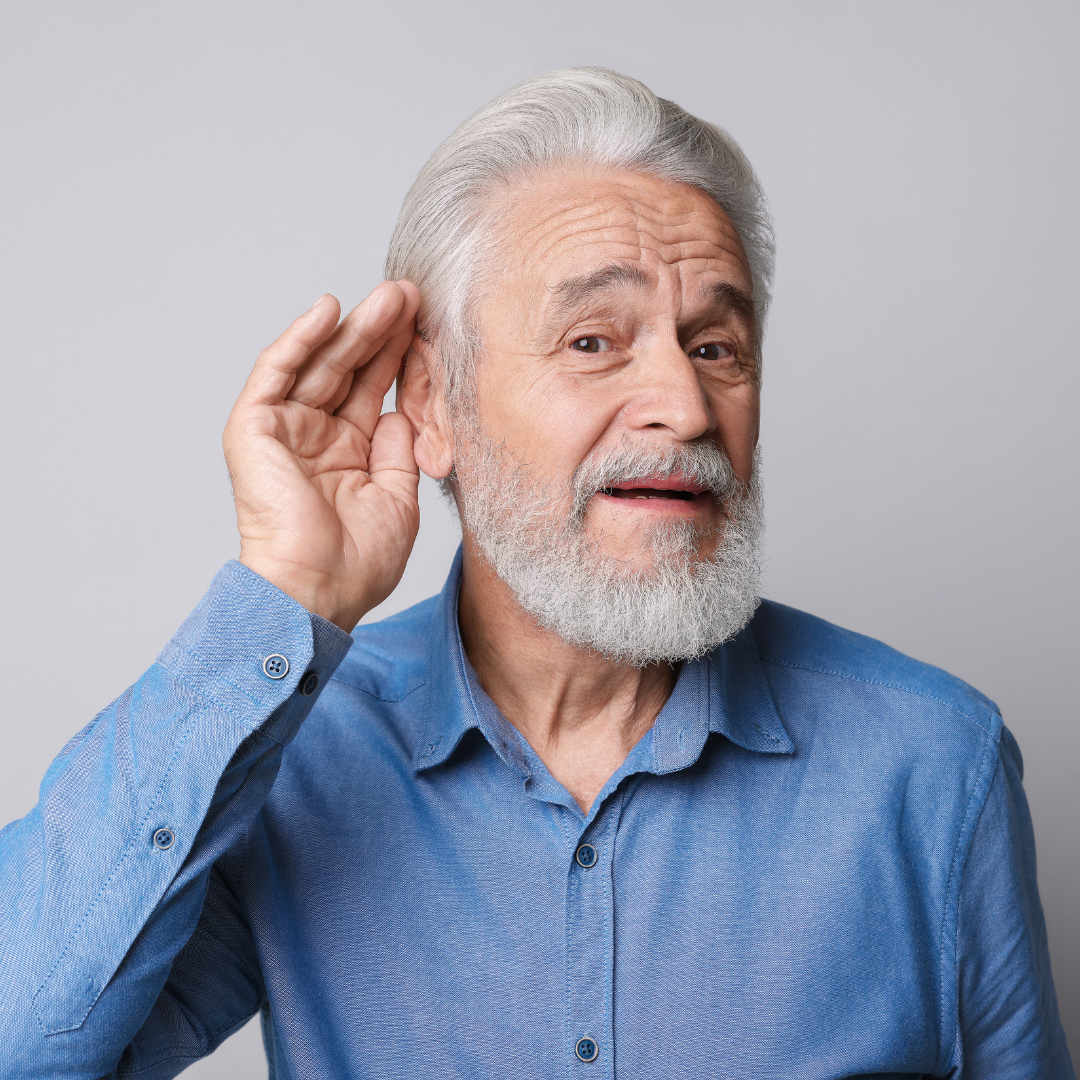
A sudden drop in hearing in one ear can be frightening and may leave those experiencing it unsure of their next steps. Our practice can provide urgent hearing testing and help coordinate appropriate medical care when a rapid change occurs. Any sudden hearing loss requires urgent clinical consultation with a hearing healthcare specialist to pursue immediate medical intervention or rehabilitation.
Why Acute Single-Sided Hearing Loss Demands Emergency Care
Yes. Any acute unilateral sudden hearing loss warrants emergency medical management, notably when the deficit evolves within hours to days. Sudden sensorineural hearing loss (SSNHL), frequently referred to as sudden deafness, stems from pathology within the cochlea or the auditory nerve pathways. Because it rarely causes localized otalgia, individuals frequently misinterpret the sudden loss as middle-ear congestion or a cerumen plug.
Potential signs of this condition include:
- A rapid unilateral loss of sound volume and word distinction
- Noticing that phone conversations sound faint, muffled, or absent on one side
- Sensation of an internal ear pop or mounting aural pressure right before hearing diminishes
- The sudden development of unilateral tinnitus, including buzzing, hissing, or roaring sounds
- Concomitant dizziness, spatial disorientation, or true spinning sensations
You should never delay care in hopes that auditory function will resolve spontaneously. Contact us, an urgent care clinic, or an ear, nose, and throat specialist for same-day guidance.
Why Should You See a Doctor Immediately for Sudden Hearing Loss in One Ear?
Rapid diagnostic assessment matters tremendously because medical management of sudden sensorineural hearing loss is most effective during the initial window. We first differentiate whether the condition represents a conductive loss from cerumen or fluid, or a true sensorineural loss involving the inner ear or vestibulocochlear nerve. These conditions can feel similar but require different care.
High-magnification otoscopy paired with a pure-tone diagnostic hearing test defines the precise category, pattern, and magnitude of your auditory deficit.
Pursue immediate hospital emergency assessment if your sudden hearing loss coincides with:
- Sudden facial droop, hemi-facial paresis, or sensory numbness
- Inability to formulate words, sudden mental confusion, or a severe, atypical headache
- Acute visual disturbances, fainting spells, or marked ambulatory unsteadiness
- Severe chest pain, shortness of breath, or critical emergency symptoms
These symptoms may indicate a neurological or vascular emergency and should not be evaluated through a routine appointment.
Clinical Causes and Mechanisms Behind Sudden Hearing Loss
Clinically, most instances of sudden sensorineural hearing loss are classified as idiopathic, meaning the root cause cannot be established. When diagnostic testing isolates a specific trigger, it generally involves cochlear inflammation, physical trauma, compromised vascular perfusion, autoimmune dysfunction, or neural pathology.
Potential causes include:
- Acute infections of viral or bacterial origin
- Severe head trauma or direct exposure to an explosive acoustic blast
- Diagnosed autoimmune disorders affecting the inner ear sensory systems
- Administration of potentially ototoxic pharmaceutical agents
- Microvascular insufficiency, cochlear ischemia, or impaired vascular flow
- Idiopathic inner ear conditions including fluctuating Ménière’s disease
- Central nervous system conditions, such as progressive multiple sclerosis
- A growth on the hearing and balance nerve
Since presenting signs do not confirm the specific etiology on their own, obtaining a prompt examination and diagnostic audiologic testing is essential.
Medical Management and Interventions for Sudden Sensorineural Hearing Loss
Corticosteroids are widely prescribed as the cornerstone medical treatment for idiopathic sudden sensorineural hearing loss. They may be taken by mouth or delivered through the eardrum into the middle ear, where the medication can reach the inner ear. Therapeutic recommendations are established by our clinical providers, incorporating symptom onset timeframes, audiometric thresholds, underlying systemic health, and adverse effect profiles.
Medical evidence supports initiating steroid treatment within the first two weeks, underscoring the necessity of immediate clinical intervention. Serial intratympanic steroid injections can also be utilized as a secondary salvage therapy if initial oral treatment achieves incomplete recovery. Under appropriate circumstances, an ENT specialist might suggest adjunct hyperbaric oxygen therapy paired with clinical steroid treatments.
Prognosis and Spontaneous Recovery in Sudden Unilateral Hearing Loss
Sudden sensorineural hearing loss can, in some circumstances, improve spontaneously without medical therapy. Approximately fifty percent of affected patients see some or all of their hearing return on its own, usually within one to two weeks of onset. Nevertheless, clinicians have no definitive diagnostic method to predict at onset who will recover, what degree of hearing will return, or whether gains will prove permanent.
Anticipating spontaneous recovery is not a justifiable clinical rationale for postponing prompt care. Treatment becomes less likely to reverse permanent loss when it starts weeks after the change, so waiting may close an important treatment window. Clinical outcomes encompass total functional recovery, partial restoration of thresholds, or minimal auditory change.
Managing Unresponsive Sudden Hearing Loss: Next Steps
Should hearing recovery remain incomplete, ongoing care is dictated by remaining hearing capacity, speech understanding scores, and definitive exclusion of secondary causes. We often coordinate a contrast-enhanced MRI study or an auditory brainstem response test to evaluate the vestibulocochlear nerve pathway.
Long-term audiological rehabilitation options include:
- Custom programming of a traditional hearing aid when the ear maintains usable acoustic thresholds
- A CROS system that sends sound from the poorer ear to the better ear
- An implantable bone-conduction hearing processor for patients satisfying audiological criteria
- Clinical cochlear implantation for candidates meeting criteria for profound unilateral deafness
- Dedicated assistive listening technology engineered for challenging workplace, classroom, or group conversations
Structured audiologic rehabilitation directly targets listening fatigue, binaural sound localization deficits, and functional communication breakdowns. Determining the ideal intervention depends upon your diagnostic hearing test metrics, lifestyle demands, medical history, and personal communication goals.
Book an Immediate Diagnostic Hearing Evaluation
If you experienced a sudden drop in hearing today or within recent days, seek same-day clinical intervention instead of waiting for a standard checkup. We conduct extensive diagnostic hearing tests, perform bilateral audiometric comparisons, analyze the onset timeline, and coordinate with an ear, nose, and throat physician or medical specialist.
Connect with our clinical office right away to arrange an urgent hearing assessment.