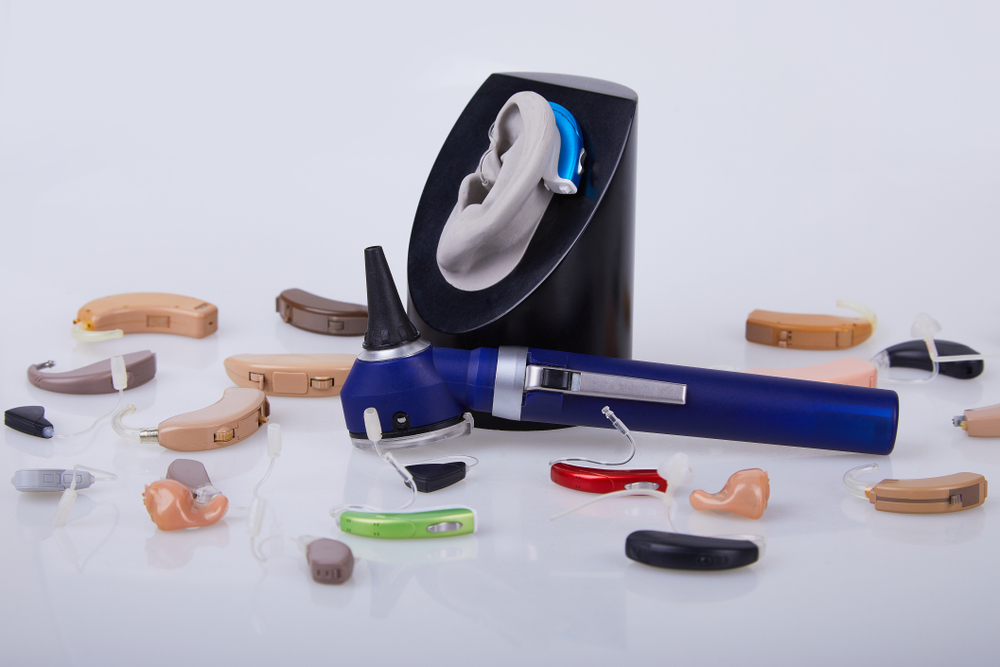
Few medical devices attract as many myths as hearing aids. Some people expect them to halt hearing loss for good, while others put off wearing them out of fear they’ll damage what hearing they have left. North Alabama Audiology traces its roots to 1960, and at our Huntsville and Decatur offices, audiologist Charles R. Taylor, […]
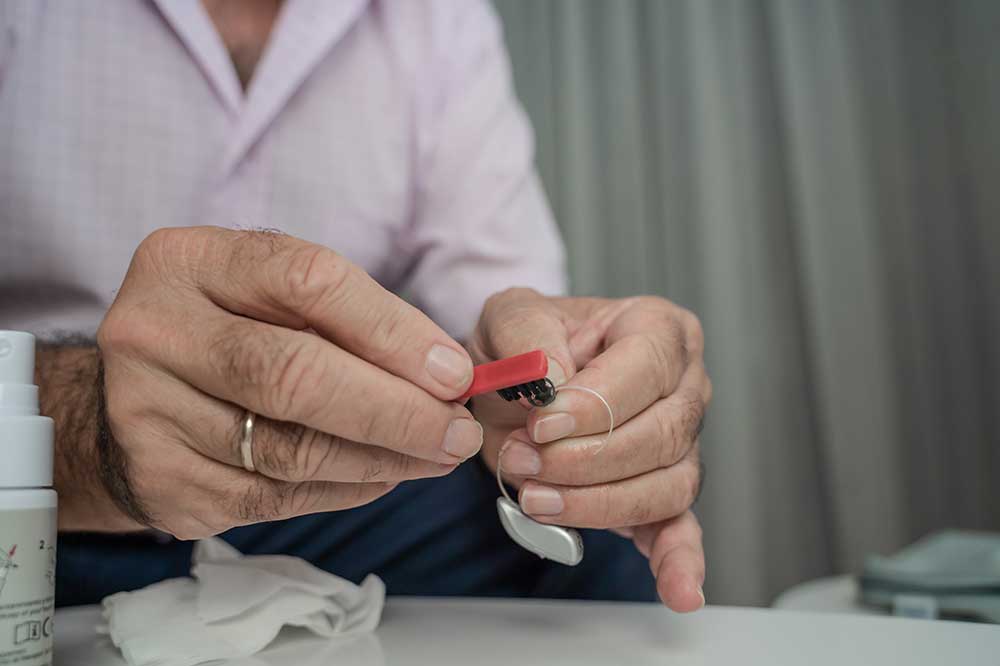
Hearing aids work hard every day, and earwax, skin oils, and moisture build up on them faster than most people expect. A consistent hearing aid cleaning routine helps keep your devices working well and prevents the frustration of wax and moisture interfering with sound. At North Alabama Audiology, audiologist Charles R. Taylor, M.A., FAAA, CCC-A, […]
You put in both hearing aids, but one side sounds quieter, tinny, or simply not like the other. Hearing aids are designed to amplify sound in a way that feels natural, so if one sounds different or less clear than the other, it should be examined. At North Alabama Audiology, audiologist Charles R. Taylor, M.A., […]
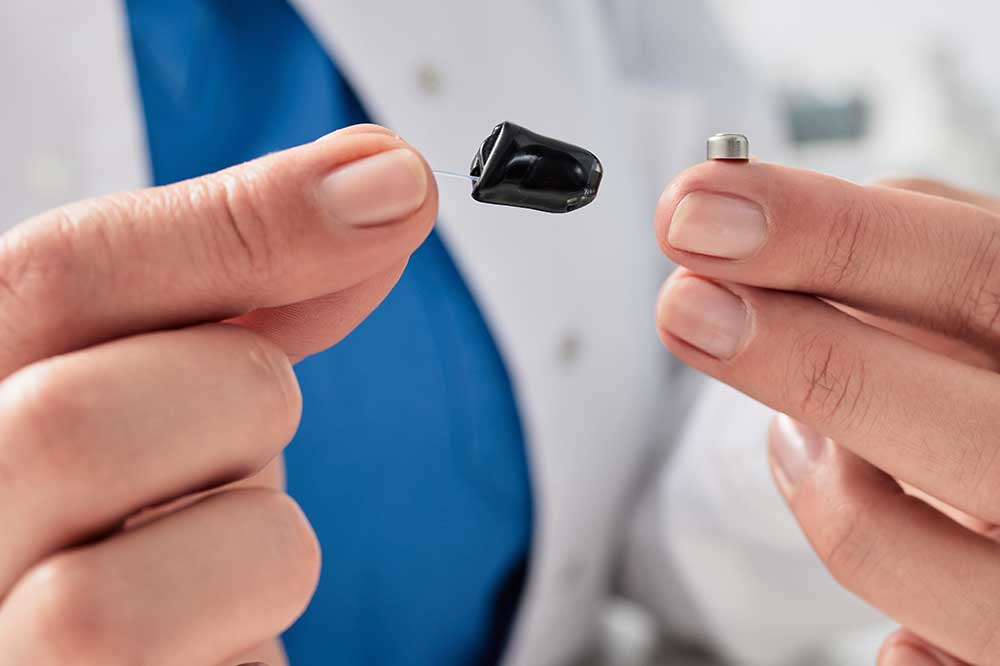
If your hearing aids seem to need fresh batteries or a recharge more often than they used to, the change is worth a closer look. Hearing aid batteries usually last anywhere from three days to several weeks, depending mainly on usage and battery type, so knowing what is normal for your devices makes it easier […]
A high-pitched whistle from a hearing aid can come on suddenly and be a huge annoyance and distraction if the cause isn’t quickly addressed. Our audiology practice accurately determines whether the whistle relates to physical canal fit, obstructive earwax, acoustic programming, fatigued components, or technical damage. Learn what causes feedback and which checks are safe […]
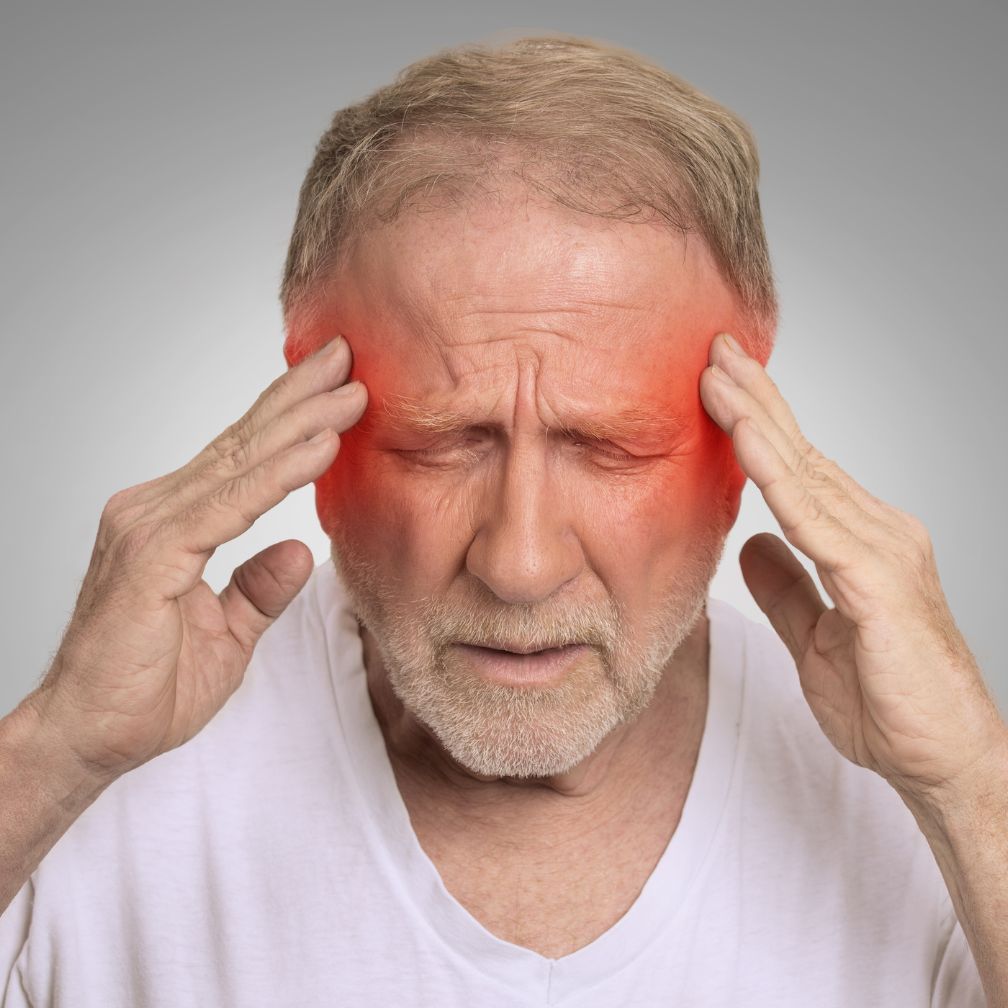
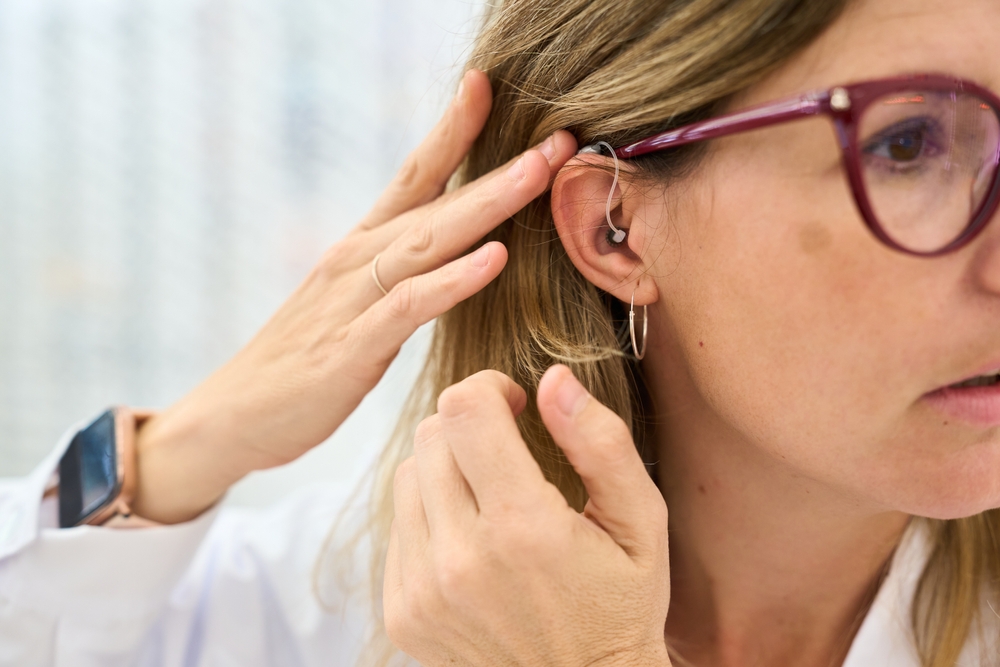
Advanced hearing aids are engineered to support your distinct hearing loss challenges. Whether you just started using hearing aids or have worn them continuously for years, if your hearing aids lead to headaches or localized pain, you can find help. An accurately calibrated hearing aid should rest comfortably inside your ear canal while delivering tailored […]
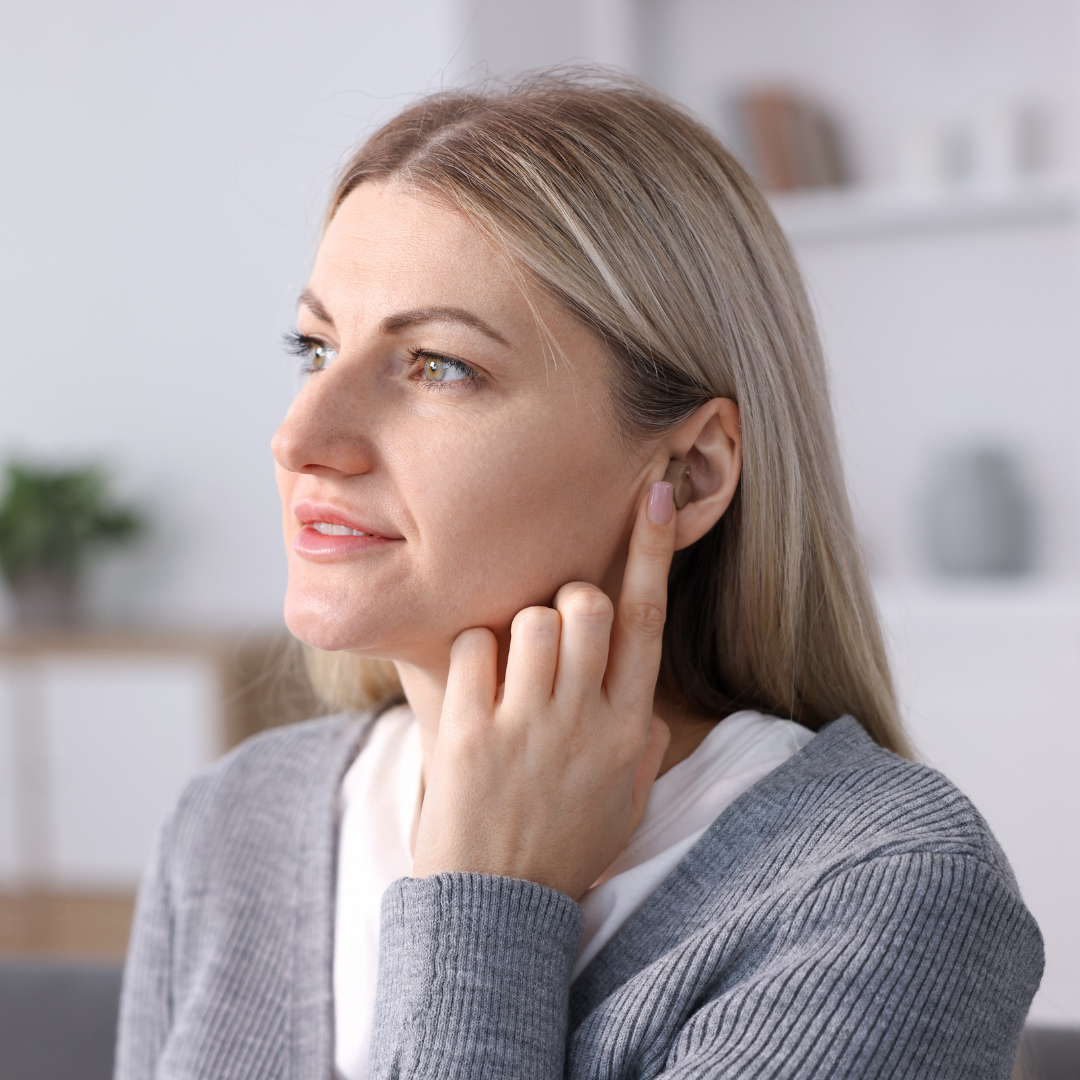
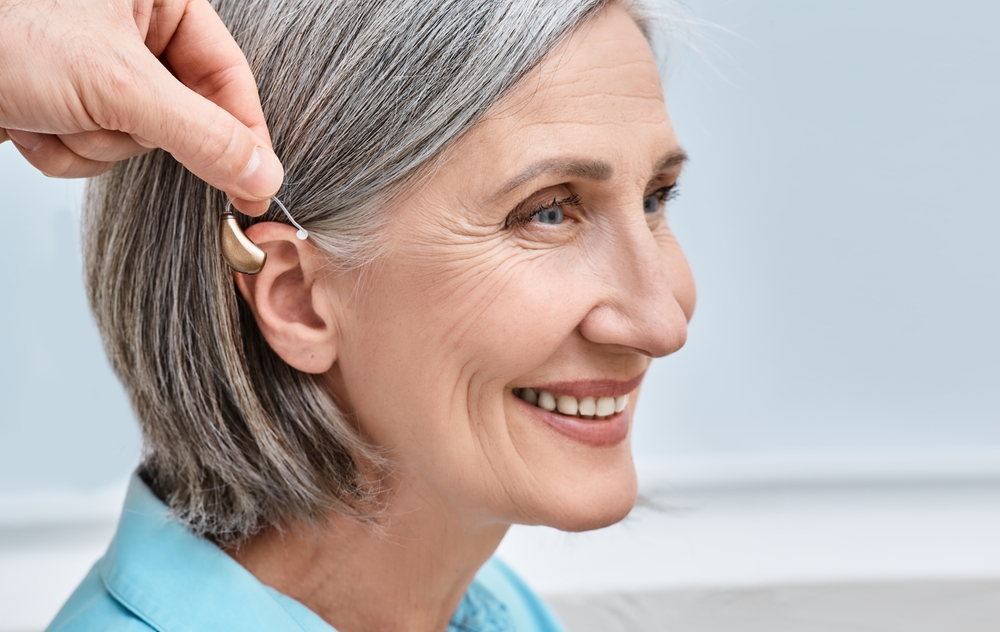
A primary reason individuals put off addressing auditory deficits is the assumption that assistive devices will be unsightly or awkward to wear. For years, hearing aids were large, noticeable, and often negatively associated with getting old. In some cases, people even worried that they might be left out of conversation altogether by others who assumed […]
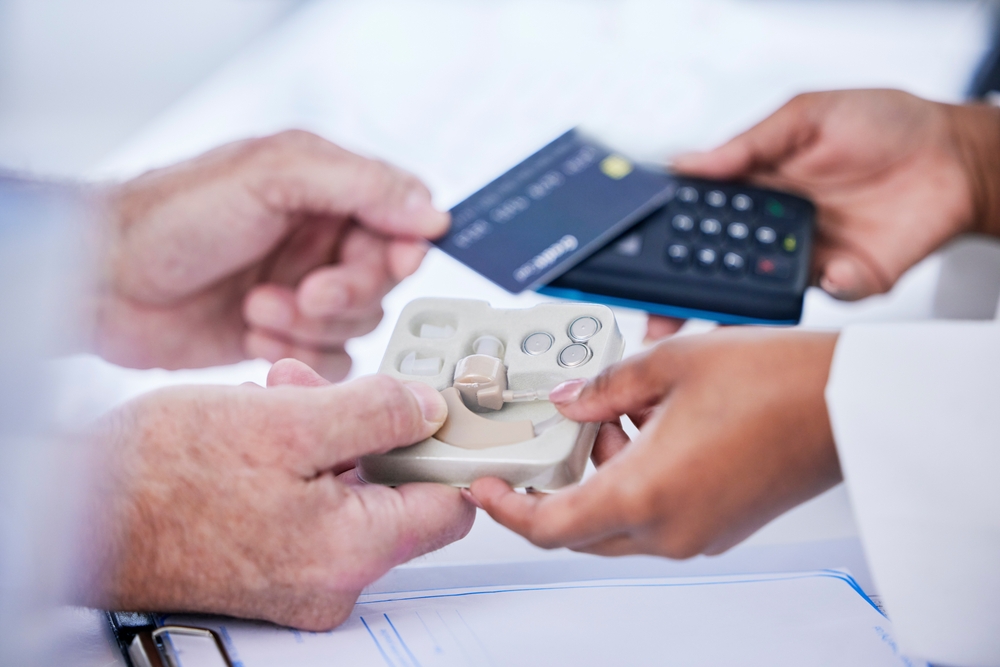
When exploring treatment options for age-related hearing loss or presbycusis, the initial clinical cost of amplification devices can be striking. Varying by technological tiers and clinical customization requirements, modern systems require a wide range of financial commitments. For many people, that comes as a surprise, and it can understandably feel like a stopping point. The […]
Though we identify the ears as the source of hearing, the brain’s role in processing sound is actually the most critical component. Physical sound collection happens at the ear, but cognitive interpretation is what creates speech and memory. When hearing loss develops, the brain receives less information about sound. Prolonged auditory deprivation weakens neural pathways, […]
The world runs on connection — to people, to information, and to sound. Staying socially active can be a struggle for people experiencing auditory decline, especially if they depend on older devices that prioritize volume over clarity. Bluetooth-enabled devices are successfully closing the divide for those with hearing impairment. Through the synergy of digital advancements […]