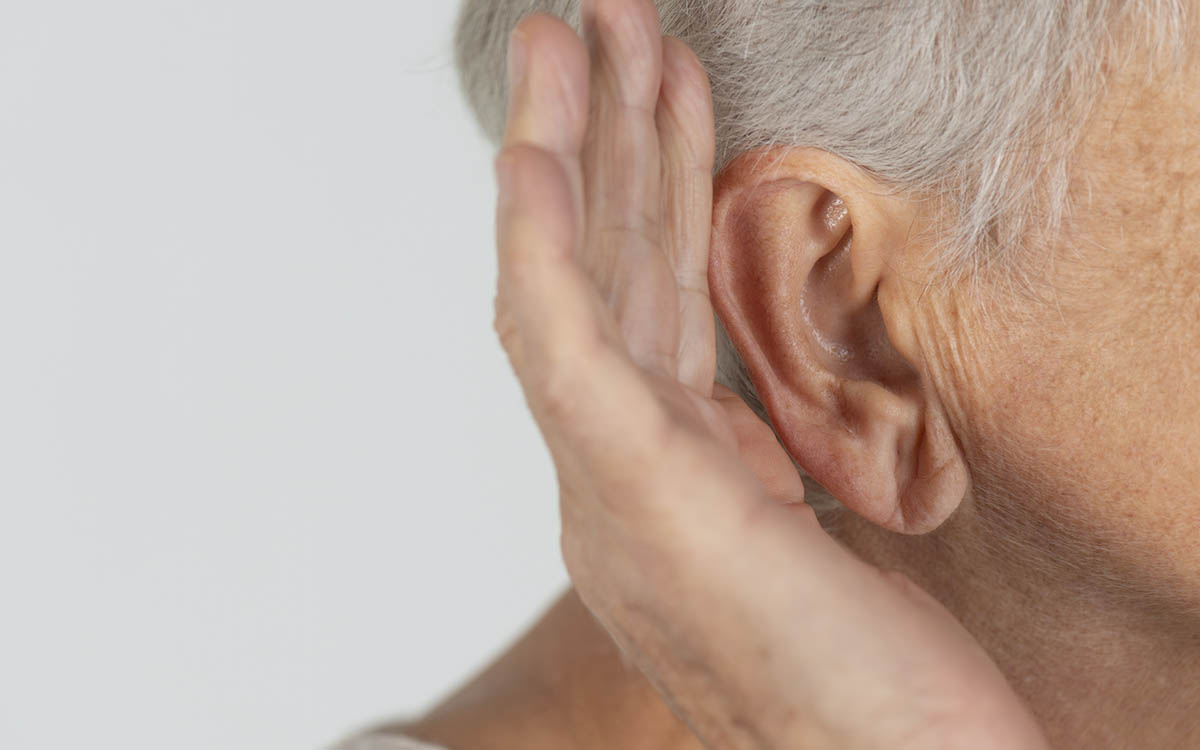
Commonly, clinicians link hearing loss with getting older, though for a significant portion of the population, auditory trauma initiates much earlier in life. Noise-induced hearing loss represents a common, preventable auditory pathology, remaining undetected until the damage is irreversible.
An objective understanding of noise-related auditory impact over time allows for preventative measures before major hearing loss develops.
Identifying the Nature of Acoustic Injury
Noise-induced hearing loss occurs when loud sounds damage the delicate structures inside the inner ear. The Centers for Disease Control and Prevention state that, sustained or frequent exposure to sounds exceeding 85 decibels, such as heavy traffic, can initiate auditory damage. Louder sounds, like those from concerts, power tools, or firearms, can cause damage in minutes or even seconds.
Within the cochlea are specialized sensory structures referred to as hair cells. These cells convert sound vibrations into electrical signals that your brain interprets as sound. Following injury, these hair cells lack the biological capacity to regenerate, which renders noise-related hearing loss an irreversible condition.
The Cumulative Development of Acoustic Injury
It is clinically significant that noise-induced hearing loss often manifests through a slow, cumulative process. Initial signs of auditory overexposure may present as:
- Occasional instances of Tinnitus, characterized by ringing or buzzing sounds
- Sensations of dampened or muffled auditory perception following noise exposure
- Reduced ability to distinguish vocal communication in loud surroundings
These early warning signs may fade, leading people to assume their hearing has “recovered”. In fact, chronic noise exposure causes ongoing trauma to inner-ear anatomy, incrementally diminishing auditory acuity and threshold sensitivity.
According to the hearing loss Association of America, nearly 48 million citizens live with hearing loss, often without recognizing the contributing factors.
Frequent Acoustic Triggers of Auditory Trauma
Modern society is characterized by high ambient noise, which frequently leads to a lack of awareness regarding sound intensity. As a result, many individuals remain unaware of the clinical prevalence of damaging noise exposure.
Identified hazardous sources may include:
- Concert settings and loud musical performances
- High-volume output from personal listening equipment
- Gas-powered lawn tools, industrial machinery, and motorcycles
- Workplace noise in construction, manufacturing, or warehouses
The everyday occurrence of these sounds allows for progressive damage to develop without obvious warning.
The Imperative of Auditory Prophylaxis
Noise-induced hearing loss is physiologically irreversible, unlike many other health impairments. The condition is, however, susceptible to effective preventative strategies. Adopting straightforward preventative behaviors can markedly decrease the likelihood of injury, including:
- The application of earplugs or attenuation earmuffs in loud areas
- Lowering headphone volume and following the “60/60 rule”
- Taking listening breaks to give your ears time to recover
- Ensuring consistent Audiology check-ups for those in high-noise environments
Indicators to Seek Clinical Hearing Care
Patients observing ongoing Tinnitus, challenges in conversation, or shifts in auditory acuity should contact an Audiologist. Timely professional assessment facilitates the creation of a management plan to maintain long-term auditory health.
Protecting your ears today helps ensure clearer hearing tomorrow. Noise may be unavoidable, but hearing loss doesn’t have to be!. Contact our team today to schedule a consultation and make sure you’re hearing your best.