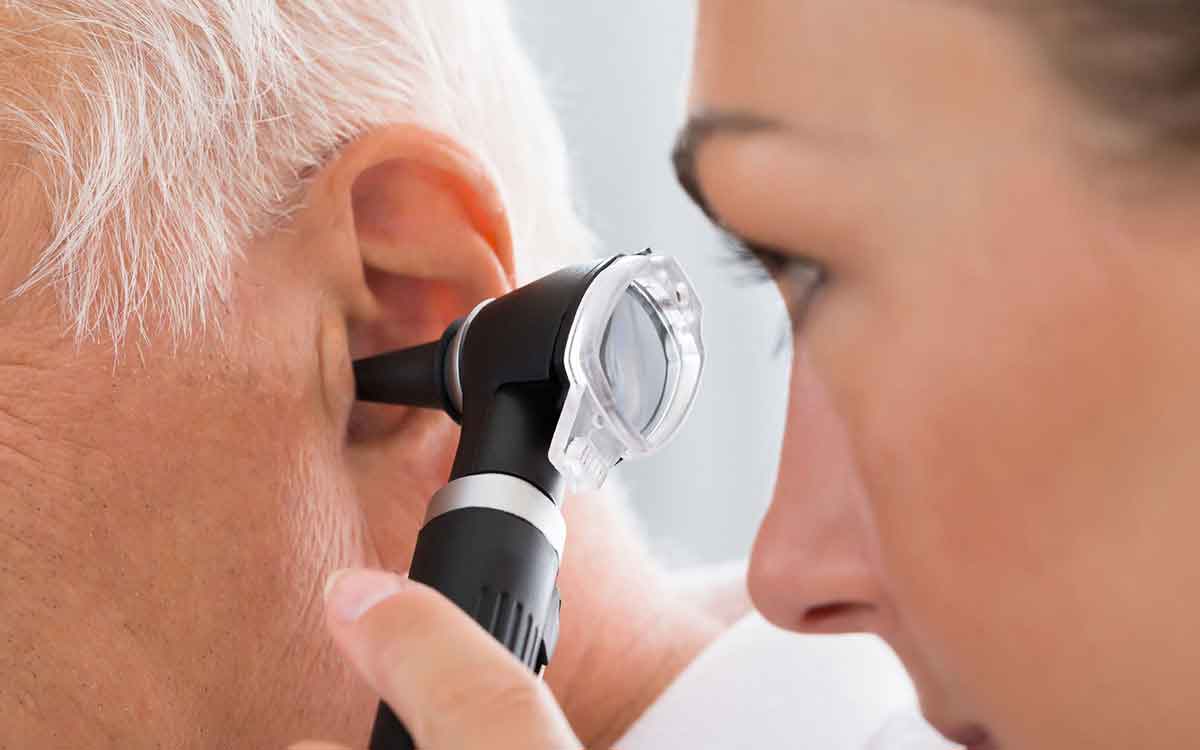
Hearing loss often develops gradually, rendering it difficult to detect during the preliminary stages. Numerous individuals compensate subconsciously by raising the decibels on the television, asking for clarification, or withdrawing from loud settings.
Still, the early recognition of hearing loss signs is key for maintaining quality of life.
Frequent Indicators of Initial Auditory Decline
If you notice any of the following symptoms, it is advisable to have your hearing checked.
- Difficulty comprehending speech, particularly in noisy environments with a lot of activity.
- A regular need of asking for verbal repetitions during conversation.
- The perception of muffled or slurred speech where words appear to merge.
- Turning up the volume on the television and mobile devices to levels that others find excessive.
- Decreased perception of high-pitched stimuli like children’s speech or household alerts.
- Occasional ear ringing or humming associated with tinnitus.
- Feeling cognitively fatigued after social interactions, due to the strain of auditory processing.
- Isolating from communal environments as conversational tracking becomes difficult.
Initial auditory warnings are often present in one or both ears and might appear inconsistently at first. Due to the brain’s ability to adjust, many individuals remain unaware of their subconscious adaptations until the deficit is significant.
Auditory Health: Current Statistics and Projections
According to the World Health Organization, over 700 million people will necessitate hearing rehabilitation by 2050. Other significant statistics involve:
- By 2050, nearly 2.5 billion people are projected to have various levels of hearing loss.
- Over 5% of the world’s population (430 million people) necessitates support to address disabling hearing loss.
- In excess of 1 billion young adults face the threat of irreversible hearing loss due to unsafe listening practices.
- Among those aged 60 and older, over 25% have disabling hearing loss.
Why Early Detection is Key
If left unaddressed, hearing loss can influence various aspects of your health outside of auditory function.
Clinical research associates hearing loss with increased risks of withdrawal, mental health challenges, cognitive decline, and equilibrium problems.
Managing symptoms early facilitates more treatment options and improved clinical results.
An evaluation differentiates between noise damage, earwax blockage, or other health conditions.
Occasionally, auditory changes are temporary and resolve with intervention.
In others, timely adoption of hearing devices or preventative measures can slow progression.
Guidelines for Consulting an Audiologist
It is advisable to get a consultation with a hearing specialist if:
- Clinical indicators remain present for more than a few weeks.
- Auditory challenges impact work, relationships, or daily activities.
- You experience acute auditory decline, dizziness, or chronic ear ringing (which requires immediate attention).
Assessments for hearing are noninvasive procedures, yielding essential information regarding your physiological hearing status.
Reach out to our audiology team if you are interested in arranging a formal hearing test.
Common Questions About Early-Stage Hearing Loss
Question: Does hearing loss only occur with aging?
A: No, while aging is a factor, hearing loss can be precipitated by acoustic trauma, infection, or systemic health issues.
Question: Are there cases where hearing loss is reversible?
Answer: Certain etiologies, such as earwax impaction or localized infection, are treatable. Permanent sensorineural hearing loss is typically managed using advanced hearing devices and management protocols.
Question: How frequently should an individual undergo a hearing test?
Answer: It is recommended that adults obtain a baseline assessment by age 50, with earlier testing for those with specific risk factors.