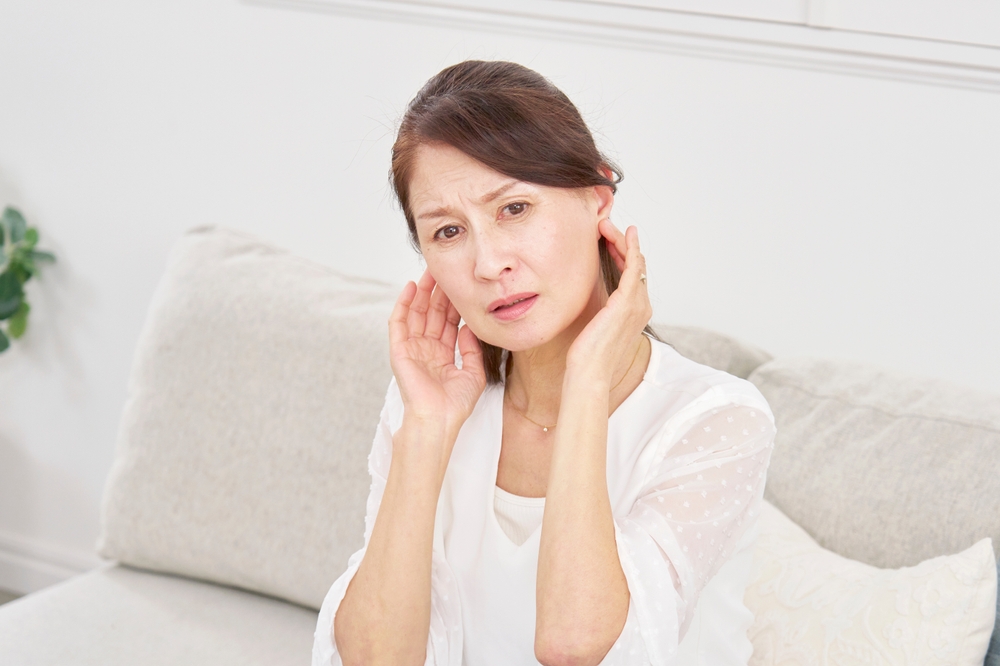
Discovering an unexpected inability to hear after sleep is a deeply alarming scenario. This specific hearing impairment is remarkably rapid, often appearing without prior warning signs or preliminary symptoms. While some causes are transient and easily treated, others demand immediate clinical intervention.
Identifying the frequent catalysts for fast hearing loss and acting decisively can significantly alter your recovery path. This overview explores the science of rapid hearing changes, likely triggers, and the necessity of expert clinical care.
Defining the Parameters of Sudden Hearing Loss
Sudden hearing loss generally refers to a swift decline in hearing occurring almost instantly or over a three-day period. This impairment is usually one-sided, although it can show up in both ears under specific circumstances. Symptoms can range from perceiving muffled noise to experiencing tinnitus, a sensation of aural fullness, or compromised speech recognition.
Identifying Sudden Sensorineural Hearing Loss
Sudden sensorineural hearing loss is one of the most urgent causes to evaluate.
We define this loss as a failure of the inner ear or the complex nerve systems responsible for sound transmission. It often develops without a clear cause, but possible contributors include:
- Lowered vascular supply to the fragile inner ear structures
- Systemic inflammatory triggers or autoimmune reactions
- Underlying viral activity affecting the ear
- Central nervous system irregularities
Because of the fact that early therapy can restore hearing function, SSHL is always treated as an immediate medical priority.
Infection-Based Auditory Loss
Specific viral infections can temporarily or permanently affect hearing by swelling the inner ear or auditory nerve.
Frequent viral triggers linked to sudden hearing impairment are:
- Normal upper-airway viral activity
- Various strains of influenza
- Viral strains within the zoster group
- Viral sequelae observed in select COVID-19 cases
Abrupt deafness can align with viral symptoms, frequently appearing with dizziness or a feeling of fullness.
Head or Ear Trauma
Physical impact to the skull, swift shifts in atmospheric pressure, or severe sound blasts can injure the ear’s internal mechanisms.
The following scenarios are frequent catalysts for injury-based hearing impairment:
- Cranial trauma or concussions
- Rapid fluctuations in atmospheric pressure
- High-decibel acoustic trauma
- Cochlear fluid disruption
Relatively small impacts can still compromise auditory function, particularly if shifts manifest shortly after the event.
Sudden Loss Due to Ear Canal Obstruction
Though cerumen buildup is typically benign, a significant blockage can trigger an immediate shift in auditory clarity.
Symptoms of impacted cerumen typically:
- Appear over a very short duration
- Create a distinct sensation of aural congestion
- Show a distinct one-sided bias
- Resolve once the blockage is safely removed
It is vital to remember that home evaluation is inadequate for determining the true source of sudden deafness. That’s why clinical testing is critical.
Exploring Secondary Triggers for Hearing Changes
The following conditions are also recognized as potential sources of sudden hearing decline:
- Secondary reactions to certain medications
- Vascular irregularities in the hearing system
- Immune-mediated inner ear disease
- Benign growths impacting the auditory nerve
Undergoing a full audiological workup is the only way to accurately identify or dismiss these factors.
Sudden Hearing Loss: Why Early Treatment Is Key
It is critical to understand that delaying evaluation for sudden hearing loss is a significant risk.
Fast evaluation can:
- Identify reversible causes
- Boost the effectiveness of treatment
- Stop further hearing damage
- Limit long-term communication challenges
Professional audiological assessments are fundamental in identifying the specific nature of the loss and directing treatment.
Criteria for Emergency Audiology Consultation
Do not delay seeking a professional if you encounter any of these sudden changes:
- A rapid drop in auditory clarity in one or both sides
- A loss of hearing accompanied by vertigo or lack of coordination
- The rapid onset of ringing or aural fullness
- Auditory decline after illness or injury
Though your hearing may seem to recover slightly, a professional check-up is still vital for a full diagnosis.
Hearing Testing for Quick Answers
Modern testing quickly identifies the specific category of the loss, such as:
- Conductive in nature, often caused by physical obstructions
- Sensorineural (inner ear or nerve-related)
- Transient or potentially permanent
Initiating diagnostics early facilitates more effective medical choices and improved recovery.
Final Thoughts on Addressing Abrupt Hearing Loss
Abrupt hearing loss is bound to feel alarming, but the sooner you seek care, the more options you may have to address it.
Upon noticing an unexpected change in your hearing, getting a professional evaluation can protect your hearing health and your peace of mind. Our team is ready if you experience sudden hearing loss: Call our care team as soon as possible at our office for the help you need.