When your hearing feels obstructed, it can impact your daily schedule and leave you feeling withdrawn from your environment. While the fear of permanent hearing damage is a common first reaction, the actual culprit is frequently a simple collection of earwax.
Grasping the distinction between cerumen blockage vs. auditory loss can help you know when a simple solution is possible and when it’s time to request a hearing evaluation. There is no need to feel overwhelmed if auditory inputs seem dampened. While only an audiologist can verify the cause, reviewing these essential indicators of wax vs. hearing loss can provide immediate insight.
How to Recognize a Cerumen Impaction
Your ears produce wax as a natural protective mechanism to maintain integrity and keep debris away from the tympanic membrane. Issues occur when too much wax accumulates or becomes impacted.
Symptoms of a blockage often feature:
- A noticeable reduction in hearing volume
- A feeling of ear pressure or a “clogged” sense
- Overall ear discomfort or mild soreness
- Constant buzzing or hissing sounds
- Hearing that clears briefly after yawning or chewing
Because obstructions are tangible, they frequently affect just a single ear at a point rather than both equally. The positive aspect is that professional removal usually ends in an instant return of your original hearing levels.
Recognizing the Signs of Irreversible Auditory Decline
Auditory decline, particularly age-related or noise-induced hearing loss, tends to develop slowly and doesn’t improve when the canal is cleaned.
Indications of permanent hearing loss often feature:
- Battling to track conversations when ambient sound is present
- Regularly needing clarification during normal conversation
- A habit to boost sound output notably to make up for hearing loss
- Diminished responsiveness to higher-pitched auditory signals
- A symmetrical decrease in hearing function in both sides
A vital distinction is that true loss lacks the tangible “clogged” feeling that accompanies an earwax blockage.
Contrasting Wax Buildup and Hearing Loss
A few fundamental signs can help you ascertain whether you are dealing with a manageable obstruction or a more lasting shift:
- Onset: Earwax issues often appear suddenly; hearing loss progresses gradually
- Longevity: Wax issues are treatable and temporary, whereas loss is usually long-term
- Feelings: Physical “clogging” leads to wax, while the struggle to differentiate sounds points to impairment
- Ear Balance: One-sided dull sound points to wax, while both sides point to impairment
Reasons Not to Self-Diagnose
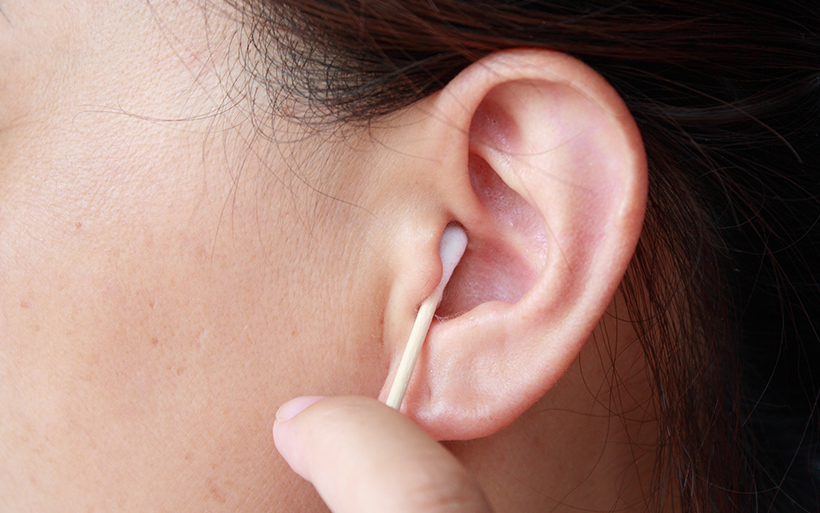
You may feel compelled to assume cerumen is the cause — and grab for cotton swabs or over-the-counter treatments. Using foreign objects typically pushes the obstruction deeper into the canal, heightening the danger of injury.
Medical data shows that self-cleaning often leads to unintended injury or more complex blockages.
Delaying a professional evaluation for actual hearing loss can result in losing out on solutions that shield your long-term mental and social well-being.
The Importance of a Clinical Otoscopy
A brief professional exam is the only way to confirm if cerumen is actually the source of your dull auditory issues.
When cerumen is the issue, clinical irrigation or clinical clearance delivers instant resolution.
If no cerumen is detected, a formal hearing test will be used to identify the type and extent of any hidden loss.
The NIDCD advises prompt evaluation whenever changes in auditory function conflict with your daily life.
Determining Earwax Blockage or Auditory Decline?
Dampened auditory quality is not a definitive sign of chronic impairment.
In numerous instances, cerumen accumulation is the cause, and it’s highly manageable.
A clinical evaluation will provide you with the clarity you require to move forward without worry.
Keep in mind: The sole reliable way to tell the distinction between earwax buildup and hearing loss is with a professional evaluation.
Addressing the issue now stops the anxiety of the unknown and places you on the path to better hearing.
If your auditory sense feels off, don’t guess. A brief check can make all the difference, so reach out to our practice of specialists right now.